
Aesop's Fables
Below are ESL tasks about Aesop's Fables. Good luck and enjoy!
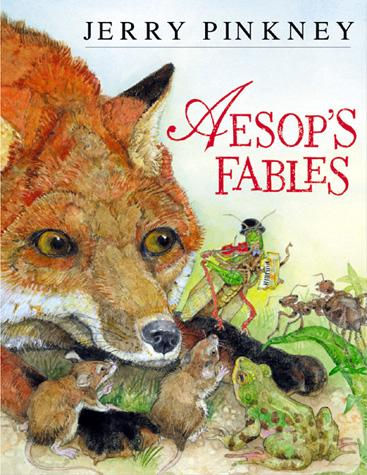
What are Aesop's Fables in a nutshell?
Aesop’s Fables are short stories that usually feature animals acting like people, and they always teach a simple moral or life lesson. For an ESL student, they are useful because the language is usually clear and short, so they help with vocabulary, reading, and understanding basic English patterns.
In simple words
These stories are easy to remember because each one has a clear point, such as “slow and steady wins the race” from The Tortoise and the Hare. Common examples include honesty, kindness, hard work, and patience.
Why they help ESL learners
-
They use simple sentences and everyday words.
-
The stories are short, so students do not feel overwhelmed.
-
The animals and morals make the meaning easier to understand.
One-line definition
Aesop’s Fables are short animal stories that teach a lesson about how to behave well.
Popular Fables and Morals
Fable: The Ant and the Grasshopper
Moral: It is best to prepare for the days of necessity
Fable: The Ass in the Lion's Skin
Moral: Fine clothes may disguise, but silly words will disclose a fool
Fable: The Dog in the Manger
Moral: People often grudge others what they cannot enjoy themselves
Fable: The Fox and the Grapes
Moral: It is easy to despise what you cannot get
Fable: The Crow and the Pitcher
Moral: Little by little does the trick
Fable: The Hare and the Tortoise
Moral: Plodding wins the race
Fable: The Boy Who Cried Wolf
Moral: There is no believing a liar, even when he speaks the truth
Fable: The Goose with Golden Eggs
Moral: Greed oft o'er reaches itself
Fable: The Lion and the Mouse
Moral: Little friends may prove great friends
Fable: The Ant and the Dove
Moral: One good turn deserves another
Fable: The Fox and the Goat
Moral: Look before you leap
Fable: The Milkmaid and Her Pail
Moral: Do not count your chickens before they are hatched
Fable: The Tortoise and the Hare
Moral: Slow and steady wins the race
Fable: The Dog and the Wolf
Moral: Better starve free than be a fat slave
Fable: The Eagle and the Arrow
Moral: We often give our enemies the means for our destruction
Fable: The Farmer and the Stork
Moral: Birds of a feather flock together
Fable: The Four Oxen and the Lion
Moral: United we stand, divided we fall
Fable: The Jay and the Peacock
Moral: It is not only fine feathers that make fine birds
Fable: Mercury and the Woodman
Moral: Honesty is the best policy
Fable: The Miser
Moral: The true value of money is not in its possession but in its use
Fable: The Monkey and the Dolphin
Moral: Those who pretend to be what they are not find themselves in deep water
Fable: The Old Woman and the Wine Jar
Moral: The memory of a good deed lives
Fable: The Shepherd's Boy and the Wolf
Moral: Liars are not believed even when they tell the truth
Fable: The Town Mouse and Country Mouse
Moral: One man's pleasure may be another's pain
Fable: Belling the Cat
Moral: It is easy to propose impossible remedies
--- --- ---
Stories List and morals taught
Section Title
Small Title
This is a Paragraph. Click on "Edit Text" or double click on the text box to start editing the content and make sure to add any relevant details or information that you want to share with your visitors.
Small Title
This is a Paragraph. Click on "Edit Text" or double click on the text box to start editing the content and make sure to add any relevant details or information that you want to share with your visitors.
Small Title
This is a Paragraph. Click on "Edit Text" or double click on the text box to start editing the content and make sure to add any relevant details or information that you want to share with your visitors.
Small Title
This is a Paragraph. Click on "Edit Text" or double click on the text box to start editing the content and make sure to add any relevant details or information that you want to share with your visitors.
Section Title
This is a Paragraph. Click on "Edit Text" or double click on the text box to start editing the content and make sure to add any relevant details or information that you want to share with your visitors.